
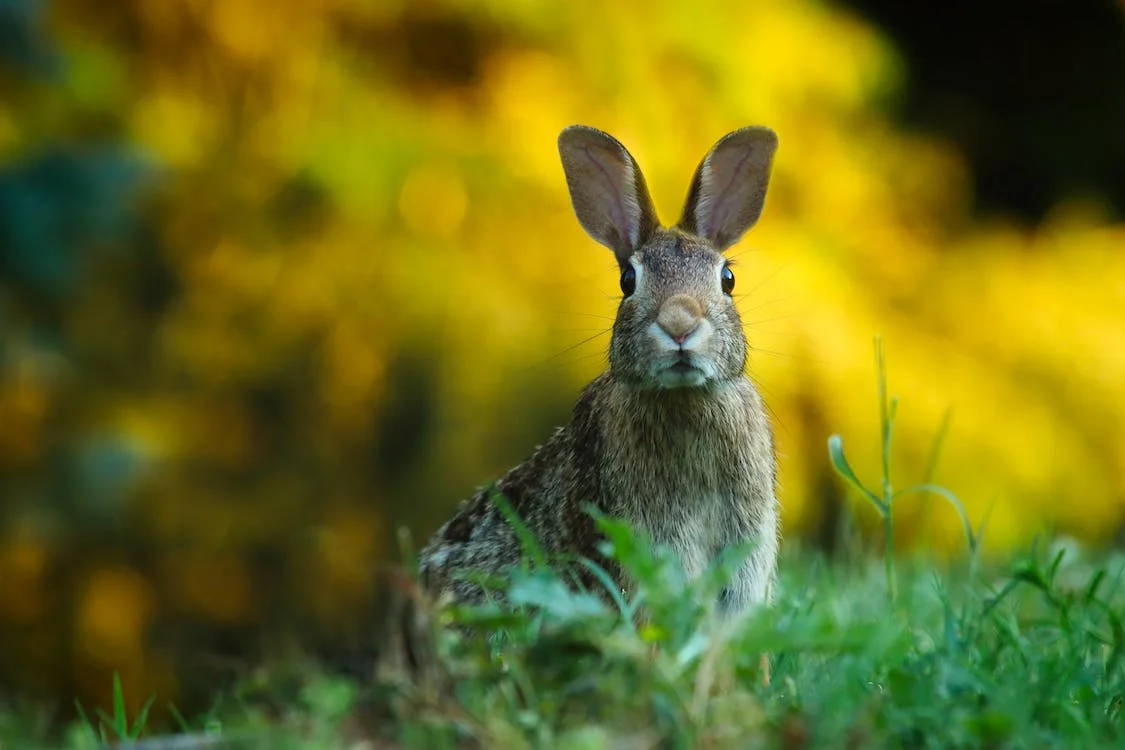
It is a pale brown to a reddish or sandy-gray hare, who is a native to Africa. It is easily recognizable through its conspicuous long ears, which always stays upright. Females are larger than males. They differ from the Scrub Hare, being smaller in size and sans the whitish underside.
Read further to know more about the Cape Hare.
What is a Cape Hare?
Cape Hare (Lepus capensis), also known as the Desert Hare, is mammal species belonging to the family Leporidae. It is a long-legged hare, often occurring singly and relying on running to move around. They are herbivores, doing their foraging at night and feeding on grass and certain shrubs.
Its seven levels of classification are as follows:
Kingdom: Animalia
Phylum: Chordata
Class: Mammalia
Order: Lagomorpha
Family: Leporidae
Genus: Lepus
Species: L. capensis
Cape Hare Physical Description
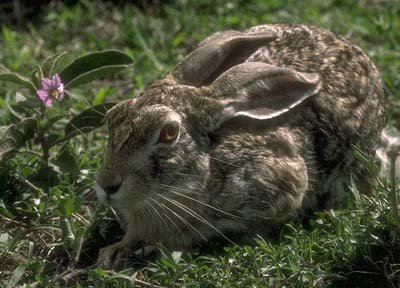
Cape Hare sports a typical built most hares have. Their hair is fine and soft, with upperparts ranging from light brown to reddish to sandy gray tone. Their legs are well-developed and have adapted to running and leaping. Meanwhile, their large eyes and conspicuous long, upright ears are utilized for their detecting nearby threat. A white ring usually circles the eyes. Females are relatively larger than the males. These hares weigh around 1.5 to 2.5 kilograms.
Where can they be spotted?
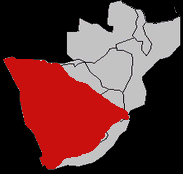
Cape Hares are spread throughout the western and central regions of South Africa, while specific populations also occur in Limpopo, Botswana, and Mozambique. They prefer dry to semi-arid open habitats, ranging from grassland, shrublands, and bushveld.
Interesting Facts You Should Know About the Cape Hare
Cape Hares are herbivores whose diet comprises leaves, stems, and rhizomes from dry or green grass. These mammals have a habit of Coprophagy, in which they re-ingest soft, moist fecal pellets for maximum nourishment. Meanwhile, hard and fibrous pellets are discarded. Juveniles also feed on these soft, wet pellets to incorporate flora to their diet.
These leporids often thrive singly, and will only be with another individual from the same species during courtship or birth. They are nocturnal to crepuscular, becoming active in the early morning and late afternoon.
During the day, they rest on shallow scrapes on the ground, hidden among shrubs and bushes. The color of their fur conceals them, while they tuck their heads opposing the body and lay their ear flat against the back.
Cape Hares are swift runners, reaching speeds up to 77 kilometers per hour or 4 miles per hour. However, like its cousins, they stay motionless or freeze on the ground whenever they detect any threat and will only move until the last second, relying on their swiftness to escape. If their predator catches them, they produce loud wails, and will vigorously kick their hunter.
Female Cape Hares gestate for about 42 days before giving birth to 1 to 3, rarely four litters. The offspring are born precocial and are born fully haired, with eyes open, and capable of moving around soon. The juveniles’ cryptic fur color serves as a decent camouflage, and they are also skilled in hiding themselves.
Cape Hares’ population size faces numerous threats, including road skills, hunting, poisoning, diseases, and habitat loss. While the species is still classified as Least Concern (LC) under the IUCN Red List of Threatened Species, their number appears to be declining.
WILDLIFE PARKS AND RESERVES WHERE THIS SPECIES IS FOUND: